
Why Exams Fail Students and What Needs to Change
With Kathryn Gorman and Victoria Bagnall
What does the ideal 21st-century school look like in practice?
This article is part of an ongoing collaborative series that brings the School Matrix to life; a blueprint designed to reimagine education for the future. By exploring real-world case studies from pioneering schools and programs around the world, we aim to explore practical ways to embed life skills, self-discovery, and purpose into everyday learning.
The group Rethinking Assessment explains in a report how assessment dominates what is taught and how it is taught.
As a result, young people leave education with little more than a series of numbers and letters, which fail to give Universities, employers or training providers the meaningful information they need to make good decisions.
Exam results fail to capture the competencies most valued by the modern economy: creativity, critical thinking, collaboration, and communication; leaving students with limited evidence of who they are and what they can do.
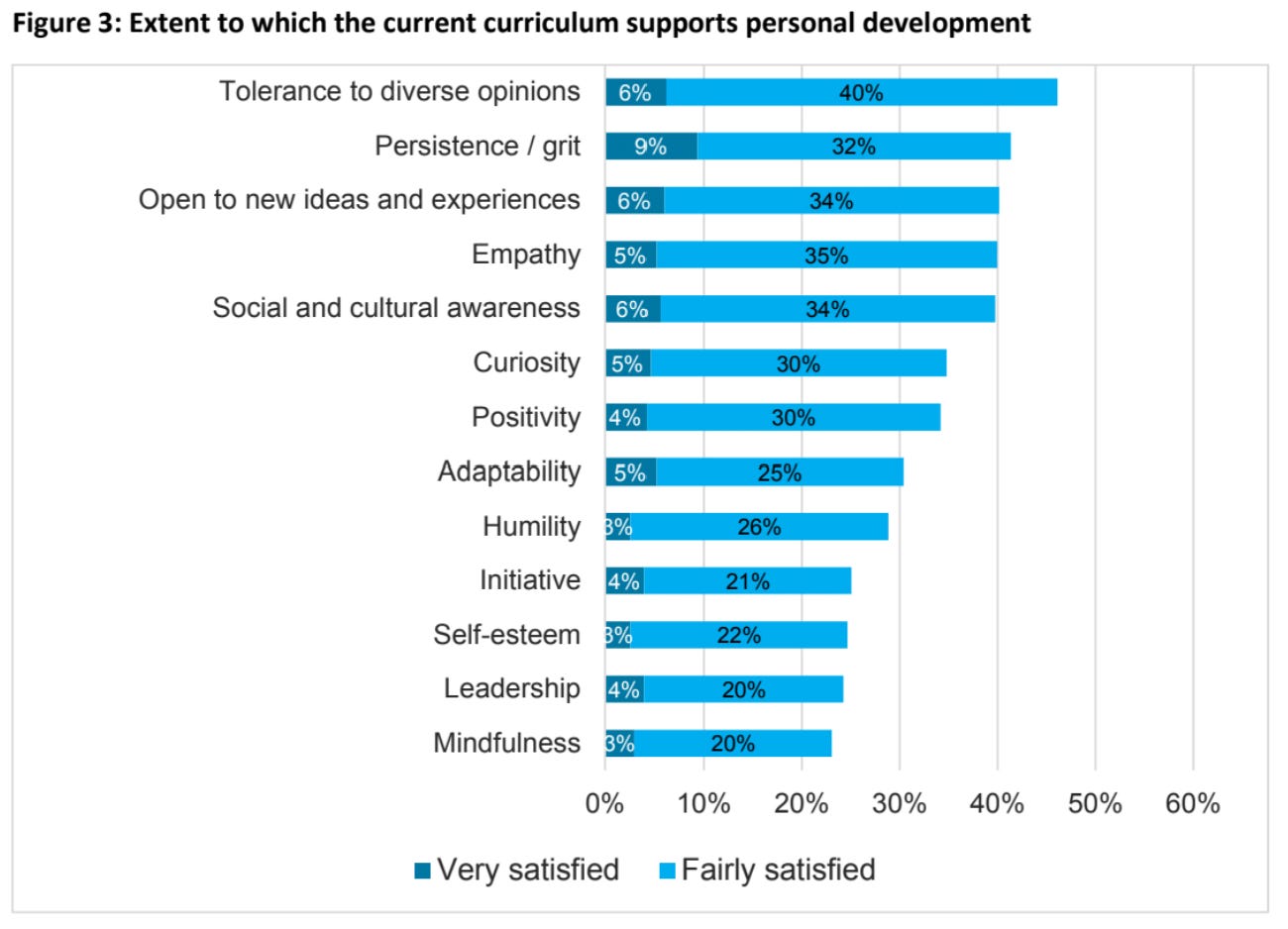
A report made by HMC titled “The State of Education” showed that out of 450 education leaders and teachers, only 7% strongly agree that assessment currently measures skill levels successfully and only 20% strongly agree that it measures student knowledge effectively.
In this collaborative article, we explore the issues with the current assessment system according to education specialists Kathryn Gorman and Victoria Bagnall, and discuss solutions that are more holistic, fair and human oriented.
Kathryn Gorman is an education leader, consultant, and governance specialist with a focus on how schools must adapt to nurture both excellence and humanity. As a Fellow of the Chartered College of Teachers, she brings deep experience of governance, culture, and change. Through her consultancy, Clarion, she works with mission-driven organisations, at the intersection of leadership, governance, and organisational culture, always with an eye on how the way we teach, work and lead can better meet the needs of young people and the adults who work with them.
Victoria Bagnall is a Cambridge-educated neurodiversity and executive function specialist, educator, and author of the forthcoming “The Neuroinclusive Educator” (Bloomsbury, 2026). As Co-Founder of Connections in Mind CIC, she has trained thousands of teachers, school leaders, and corporate teams worldwide in neuroinclusive practices that foster lifelong skills such as self-management, collaboration, and resilience.
What are your main concerns about the current assessment system?
Kathryn:
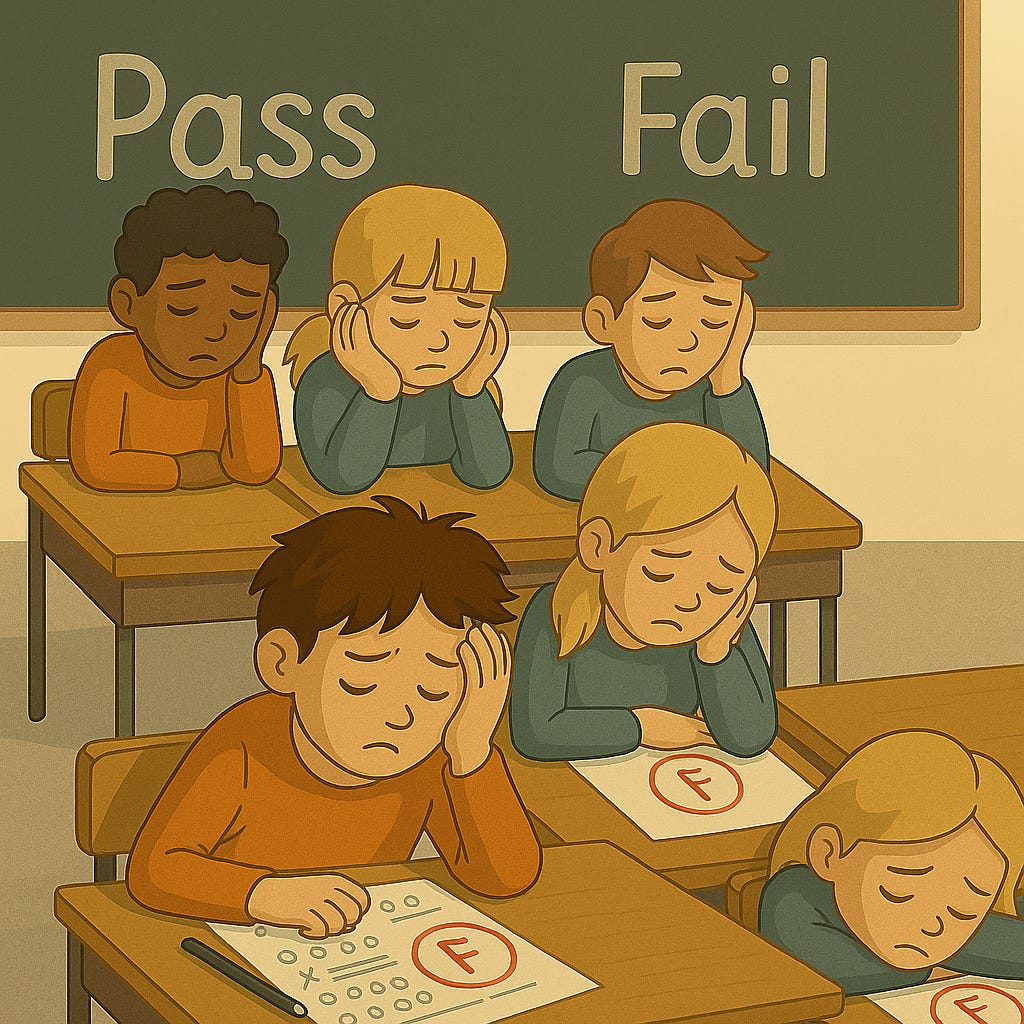
My biggest concern is that it's far too narrow. The current system is heavily reliant on exams, which don’t capture the full range of what young people are capable of. It's all about performance on a single day under pressure, which favors certain kinds of learners and disadvantages others; especially those with anxiety, neurodiverse students, or those who just don't perform well in timed conditions.
We’re pushing students to memorise content, regurgitate it, and then forget it. It doesn't assess deeper thinking, creativity, or the ability to collaborate and solve problems - the very things we say we value.
And beyond that, it damages wellbeing. I've seen students burned out, disillusioned, and disconnected from learning because the system just doesn’t meet them where they are.
What do you see as the main barriers to reforming the assessment system?
Kathryn:
There’s a lot of fear - fear of change, fear of losing control, fear that without exams we won’t be able to measure anything ‘objectively’.
As a society, we have always liked to measure things and give them a label and a score.
If we don't have those external assessment frameworks, it seems that we struggle to know if teachers have done anything good.
And all the grades also contribute to the overall reputation of the school.
There’s also pressure from all sides - from government, from Ofsted (in the UK), from parents, even from students themselves who’ve internalised the belief that exams are the only route to success.
Victoria:
Historically, we’ve measured humans against a standard of “average development” and assigned value based on grades. If you get top marks, you’re seen as more valuable; if not, you’re placed lower in the hierarchy.
This individualistic, judgment-driven approach focuses on individuals as isolated achievers rather than recognising the value of teams working together. Changing that mindset is a huge cultural shift, which is why reform feels so difficult.
What role do universities and commercial exam boards play in keeping the current system in place?
Kathryn:
Universities’ admissions processes are still very focused on predicted grades and exam performance which drives a lot of behaviour in schools. Even if a school wants to do things differently, there's a fear that students will be disadvantaged if they don’t play the game.
Victoria:
Many Universities now run their own entrance tests as they are realising that exams aren’t entirely fit for purpose. That shows they’re already seeking alternative ways to select students.
Exam boards, however, have a strong vested interest in keeping things as they are. They are businesses, and changing the system would require significant investment. They’ve streamlined their processes over time to suit themselves, not necessarily the learners, so it’s easier for them to keep the current model going.
What would a more meaningful and future-oriented assessment system look like?
Kathryn:
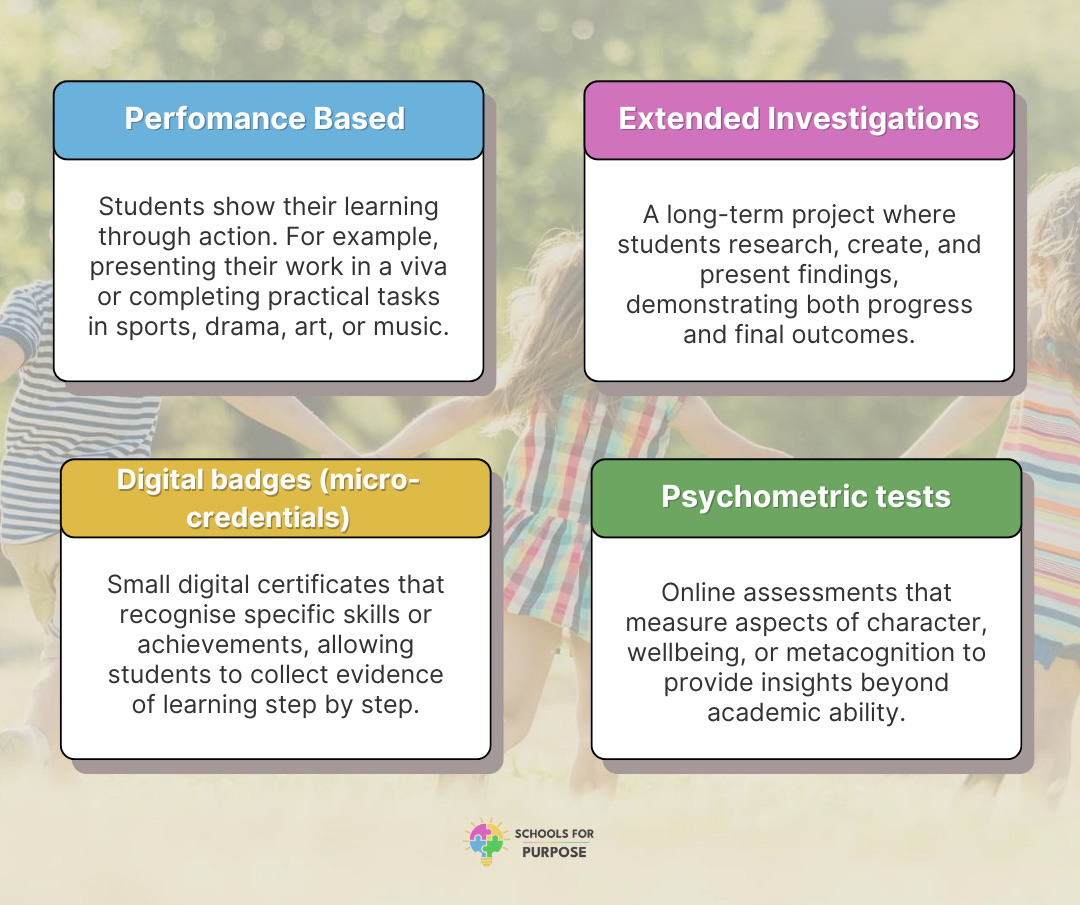
For me, it would be a blend of different approaches. We’d still have some kind of summative assessment - maybe at the end of key stages - but it wouldn’t be the be-all and end-all. We'd value formative feedback much more, and assess students through portfolios, exhibitions, and real-world tasks that show how they think, what they’ve learned, and how they apply that learning.
It would also include soft skills (although these are far from soft and are critically important); like communication, teamwork, resilience. These would be explicitly taught and assessed using rubrics or reflective tools. And crucially, it would be co-designed with students.
We need to move away from a system that does things to young people, and towards one that works with them. That’s where real engagement happens.
Victoria:
I’d like to see students given far more options in how they’re assessed — with varied formats such as project-based learning, portfolios, and modular tests taken when they’re ready. I’m an advocate of “stage, not age” progression, meaning students advance when they’ve mastered something, not because of their age group.
I also believe in separating out different skills so they’re assessed more precisely. For example, you could have one module testing unaided essay writing, and another on solving problems using AI. Tracking skills over time, rather than cramming them into a single high-stakes exam, would be far fairer and less damaging.
How could we track and assess soft skills effectively?
Victoria:
I prefer the term “executive function skills” rather than “soft skills” - they’re far from soft. Creativity, curiosity, and resilience all depend on core executive functions like cognitive flexibility, emotional regulation, sustained attention, and planning.
We work with 11 of these skills and believe they should be tracked from early childhood through to school leaving age. They should be developed and assessed as part of real projects, not through stand-alone lessons. By breaking them into micro-skills, we can track progress more precisely - for example, sensing the passage of time as part of time management.
What are your thoughts on technology and AI in assessment?
Victoria:
AI is not cheating, it’s a tool, like a pen. The real question is how students use it to solve problems.
It could help reduce subjectivity in marking, cut costs, and make exams more accessible. But overuse is a risk, and students still need strong subject knowledge to use AI effectively, especially given its tendency to produce errors.
If used thoughtfully, AI could help modernise assessment and make it more relevant to today’s world.
About the author and collaborators:
Melina Maghazehi is the Founder of Schools for Purpose, an initiative dedicated to creating collaborative blueprints and roadmaps for designing future ready schools that nurture life skills, self discovery and purpose.
Kathryn Gorman is an education leader, consultant, and governance specialist with a focus on how schools must adapt to nurture both excellence and humanity. She is also the founder of Clarion.
Victoria Bagnall is a Cambridge-educated neurodiversity and executive function specialist, educator, and author of the forthcoming “The Neuroinclusive Educator” (Bloomsbury, 2026). She is also the co-Founder of Connections in Mind CIC.